
Ethical Realignment Stewards
Asking AI the right questions
How can AI help us to steward the realignment of ethics?
Ethical stewardship is a leadership approach where individuals act as responsible caretakers of an organization’s resources, people, and reputation, prioritizing long-term sustainability and the common good over short-term self-interest. Unlike traditional “owner” mindsets, ethical stewards focus on serving stakeholders—including employees, customers, and the community—to build trust and create lasting value.

Key Aspects of Ethical Stewards
- Definition of Role: Stewards view themselves as guardians of assets (financial, human, natural) rather than owners.
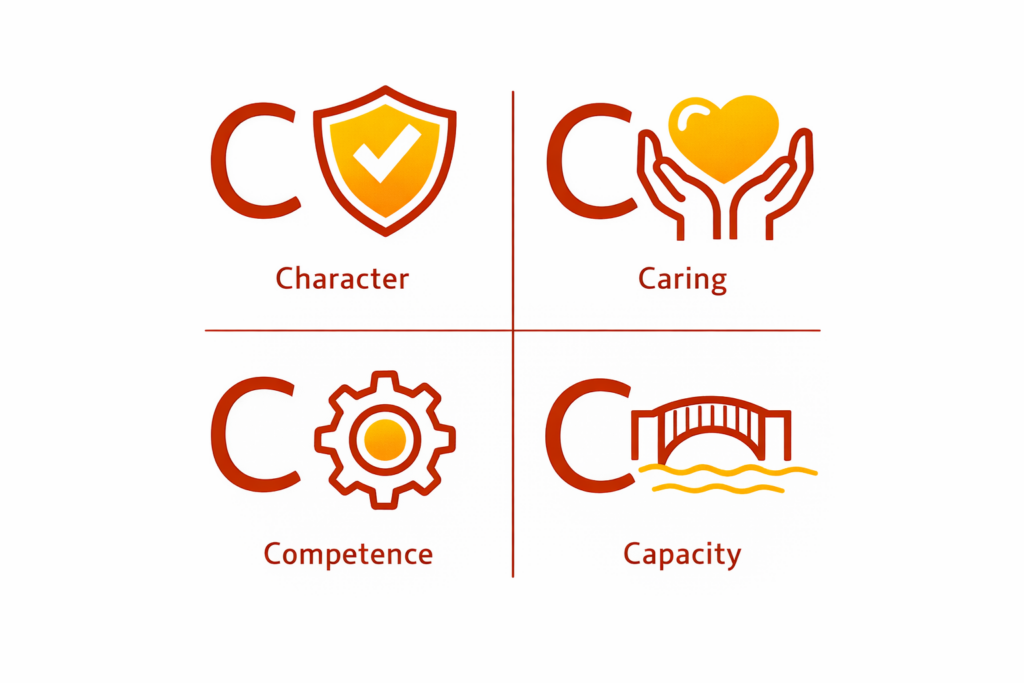
- Core Values: They demonstrate character, caring, competence, and capacity, acting with integrity and trustworthiness.
- Long-Term Orientation: They focus on sustainable, long-term success rather than immediate profit maximization.
- “Increasing the Pie”: Instead of merely dividing resources equally or seeking minimum compliance, stewards aim to optimize wealth creation for all stakeholders.
- Purpose-Driven: They align organizational goals with a higher purpose or positive social impact.
The Role of Ethical Realignment
Ethical realignment involves shifting from a, often, self-serving or short-sighted “ownership” mentality to a “stewardship” perspective. This process includes:
- Shifting Focus: Moving from self-interest to serving others (employees, stakeholders).
- Accountability & Transparency: Establishing open communication and holding oneself accountable for the impact of decisions.
- Cultivating Culture: Creating a “gracious space” for, and a culture of, responsibility where ethical decision-making is integrated into daily operations.
- Managing Meaning: Continuously aligning the organization’s values, beliefs, and actions with its stated purpose.
Examples of Stewardship in Action
- Resource Management: Judicious, wise, and responsible spending of company money.
- People Development: Investing in employee growth, wellbeing, and safety.
- Social & Environmental Responsibility: Prioritizing environmentally friendly practices and contributing positively to the community.
- Systemic Care: “System stewards” work to nurture healthy, collaborative systems rather than just focusing on their own organization.
Benefits of Ethical Stewardship
Organizations with strong ethical stewards often experience higher levels of trust, better risk management, improved reputation, and more sustainable, long-term performance.
“Ethical realignment” for stewards refers to the process of ensuring a leader’s decisions and organizational practices are consistently driven by moral integrity, long-term sustainability, and the welfare of stakeholders rather than short-term personal gain or narrow shareholder profit.
As of 2026, this realignment focuses on moving from an “ownership” mindset to a “caretaker” mindset, where resources—human, financial, and environmental—are managed on behalf of a greater mission.
Key Pillars of Ethical Realignment
- Purpose over Profit: Stewards realign by treating profit as a tool to achieve a social or organizational mission, rather than as an end in itself.
- The Four “C”s of Stewardship: Realignment requires developing four essential qualities:
- Character: Prioritizing others’ interests and maintaining personal integrity.
- Caring: Demonstrating commitment to the welfare and growth of employees and the community.
- Competence: Maintaining the technical skills and knowledge necessary to manage resources effectively.
- Capacity: Developing the ability to execute organizational strategies that benefit the common good.
- Stakeholder Accountability: Unlike traditional models that focus strictly on shareholders, ethical stewards are accountable to a broader group, including employees, customers, and the environment.
Implementation Strategies for 2026
- Transparency and Trust: Leaders build trust by acting with integrity and maintaining open communication channels, which is critical for long-term brand loyalty.
- Sustainable Governance: This involves integrating environmental stewardship and corporate social responsibility (CSR) into the core governance structure to reduce long-term risks.
- Mindset Shift: Professionals are encouraged to move beyond “policing” or compliance toward a “business steward” mindset that proactively seeks to leave a positive legacy for future generations.
- Active Coaching: Realignment often includes moving from a command-and-control style to a coaching role, mentoring others to align their individual roles with the organization’s ethical mission.