#EarthFirst Startup Weekend, March 13-15, 2026
- PRINTABLE POSTER
- See Sample Ideas (Subdomain)
- Book a Call with our organizer
- Share Suggestions in Our Forum
Free Registration for Coaches Is Just the Beginning —
We’re Building Something Bigger
#EthicalResigners vs The Empire
ALTgovAI will host a Startup‑Weekend: AI Ethics & Policy Tipping Points. We mix structured project work with networking, using our spaces & the ferry for breakout sessions in the scenic SF Bay as part of the experience.[1][2][3][4][5][6][7]
Audience
We will leverage AI to assist non-technical attendees in creating a MVP (minimal viable product) demo. A sustainable planet earth will require interdisciplinary approaches, and horizontal collaboration vs. information silos.
- Techie Social Impactivists
- AI Ethics Specialists
- Policy Advocates
- Public Health Professionals
- Educators
- Ethical Resigners
- Whistleblowers
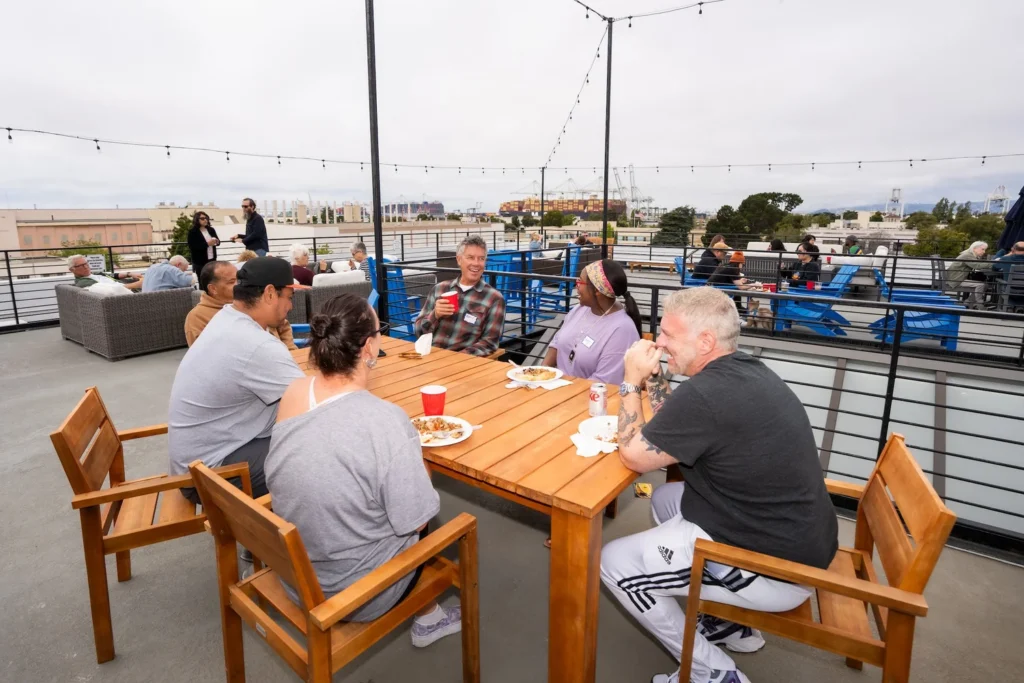
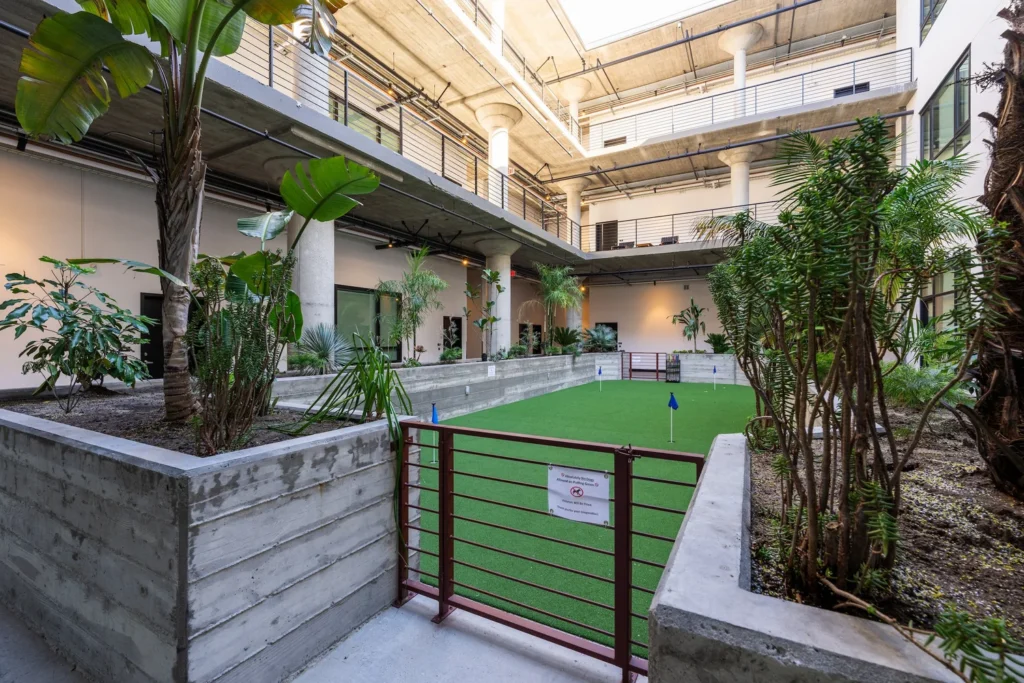
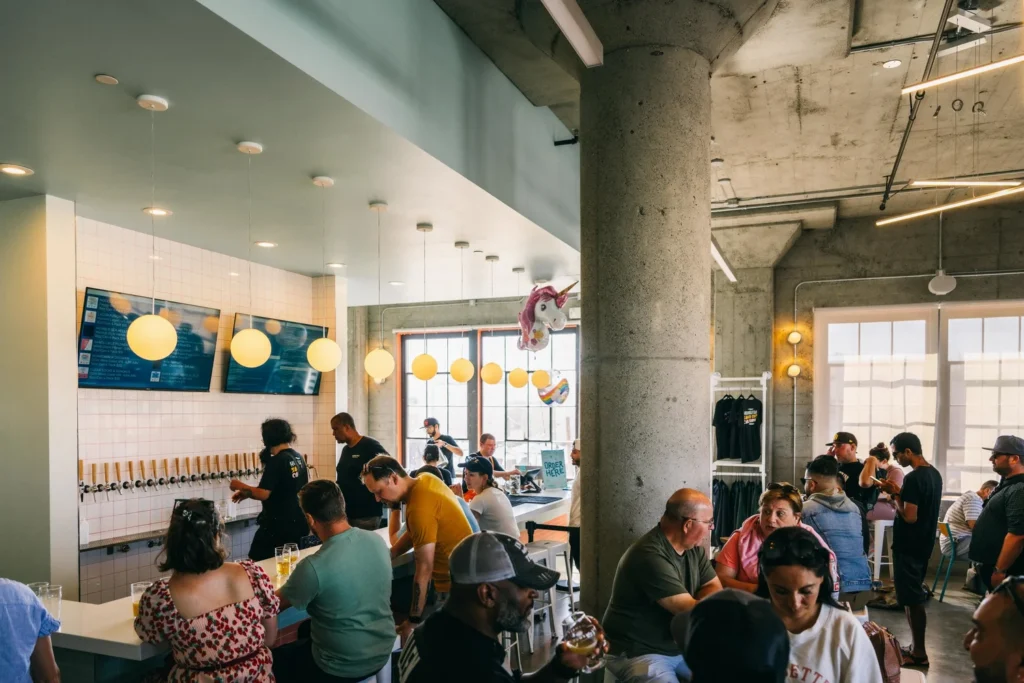
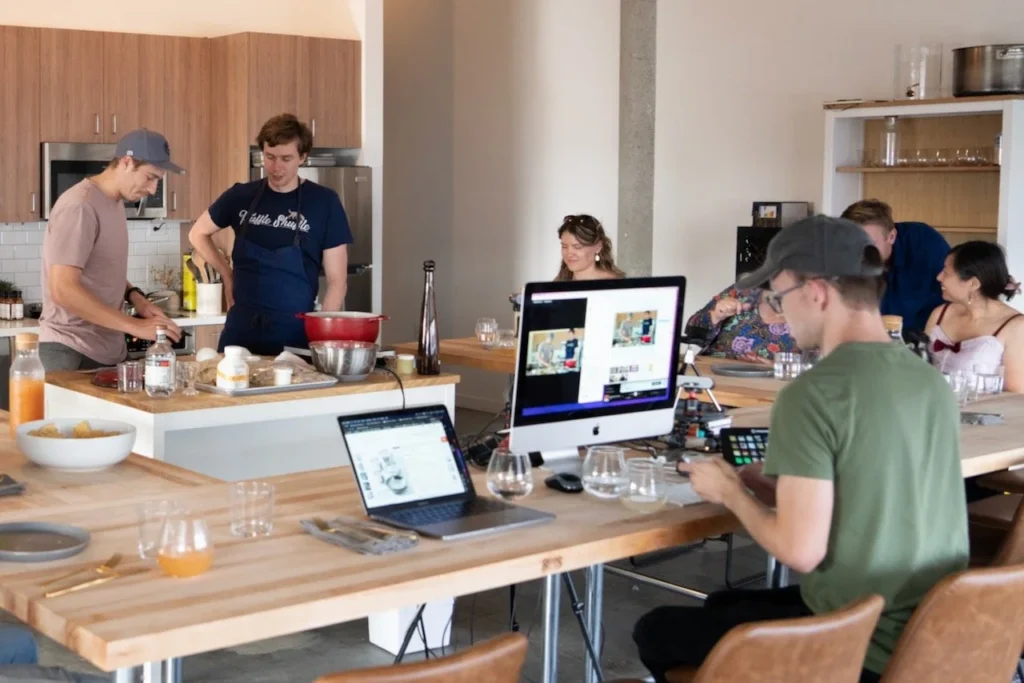
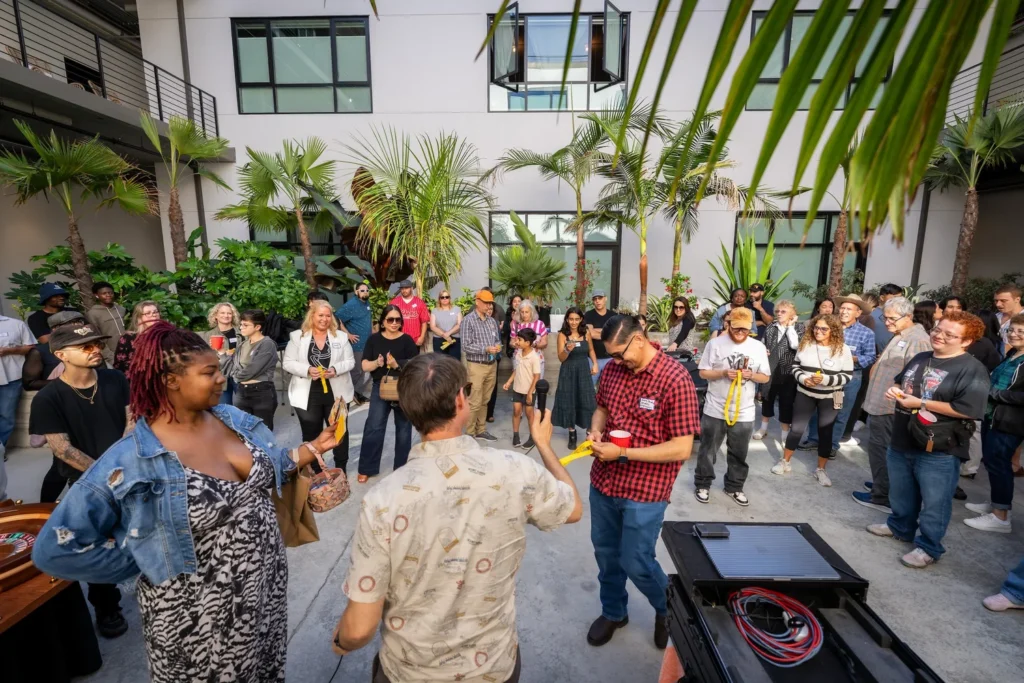
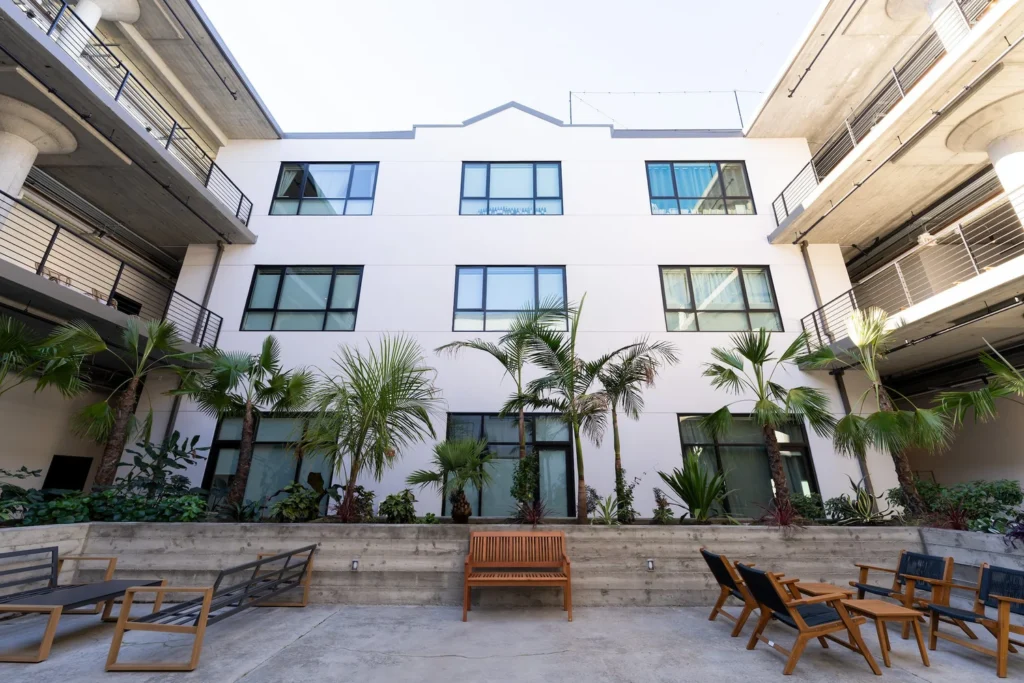
Spaces in our building



Event frame and goals
- Mission: Convene #EthicalResigners & experts who have been defunded, laid off, or sidelined by gov to (1) reconnect with peers, (2) prototype new AI‑and‑governance initiatives, (3) surface concrete profitable opportunities, projects, roles, collaborations.
- Location pattern:
- Base: StoreHouse Lofts (SHL), 2350 Saratoga St., Alameda, CA 94501 (welcome, work sprints, pitches).
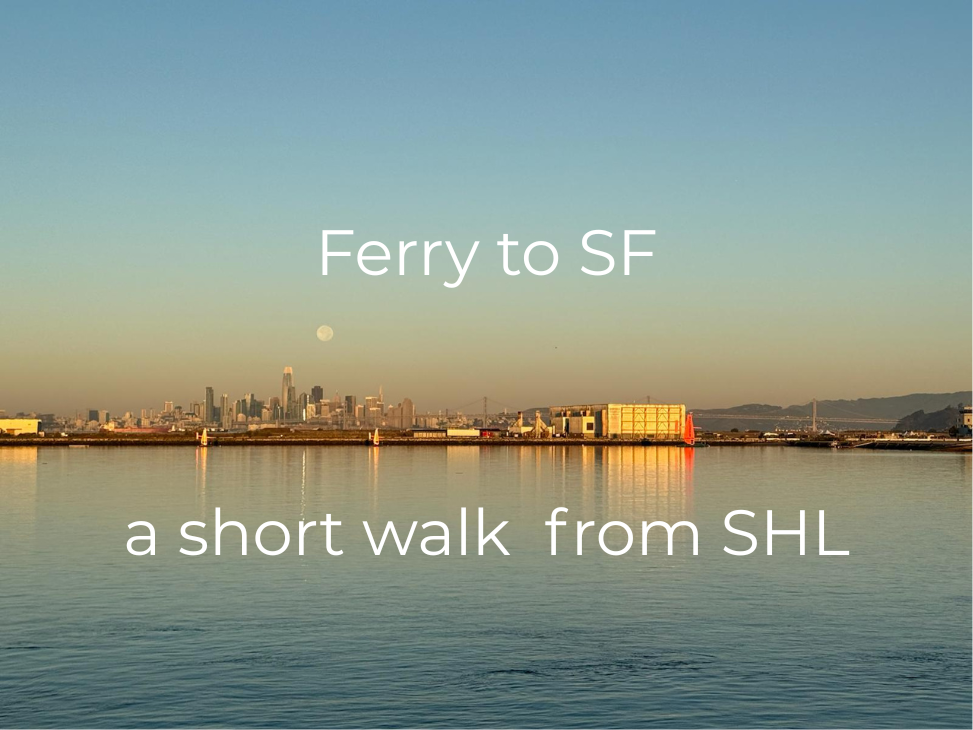
- Mobile venue: Alameda–San Francisco ferry for themed breakout circles and 1:1s during a Saturday and/or Sunday mid‑day excursion.
Schedule with ferry‑based breakouts
Patterned on 54‑hour Startup Weekend and AI/government hackathons.[2][3][4][5][8][9][1]
Friday – Reconvening the bench (6–10 pm, StoreHouse Lofts, SHL)
- 6:00–6:45 pm – Arrivals, food, “who’s in the room” mapping on a wall (agencies, domains, skills, displacements).
- 6:45–7:15 pm – Welcome: the AI–government turning point; framing on safety, democracy, and public infrastructure.
- 7:15–8:00 pm – Lightning stories: 5 x 5‑minute talks from displaced experts about what was lost and what still needs doing.
- 8:00–8:30 pm – “Problem pitchfire”: anyone can pitch a problem or opportunity they want to explore (policy gaps, infra needs, data problems, institutions in crisis).
- 8:30–9:15 pm – Cluster and form working circles (3–6 people) around:
- Policy frameworks & guardrails.
- Public data & infrastructure.
- Service delivery & benefits access.
- Democratic participation & oversight.
- 9:15–10:00 pm – Each circle drafts a one‑pager: problem, affected institutions/communities, what they hope to leave with by Sunday.
Saturday – Ferry labs + prototyping (9 am–9:30 pm)
Morning at StoreHouse Lofts, SHL (9–11 am)
- 9:00–9:30 am – Check‑in, short talk: “From defunded to re‑founded: paths for public‑interest experts.”
- 9:30–10:30 am – Track‑specific working time: decide whether your group is aiming for (a) a policy/MOU‑ready concept, (b) a technical MVP, or (c) a network/coalition blueprint.
- 10:30–11:00 am – Prep for ferry: each team lists 3 questions they want to ask peers during transit conversations.
Mid‑day ferry to SF with breakout groups (approx. 11 am–3 pm)
- 11:00–12:00 pm – Walk to ferry + ride over. On the boat, you run rotating breakout circles by theme (e.g., “AI and federal websites,” “worker protections in AI procurement”), borrowing from AI policy and government hackathon formats that emphasize cross‑disciplinary dialogue.[4][6][10]
- 12:00–1:00 pm – Lunch in San Francisco in pre‑assigned discussion pods (each pod mixes at least one technologist, one policy person, one organizer).
- 1:00–2:30 pm – Return ferry: “hot seat” sessions where participants volunteer a current opportunity or challenge and get rapid‑fire feedback / intros.
- 2:30–3:00 pm – Walk back to Storehouse Lofts StoreHouse Lofts, SHL informal 1:1s.
Afternoon/evening build (3–9:30 pm, StoreHouse Lofts, SHL)
- 3:00–6:30 pm – Work block with mentors:
- Policy/paper teams: outline policy packages, oversight proposals, or institutional models using a policy‑hackathon style structure.[6][10][4]
- Product/infra teams: build a simple AI‑enabled prototype or public‑infra concept drawing on government‑AI hackathon guidance (e.g., improving federal websites, data, workflows).[5][7][4]
- 6:30–7:30 pm – Dinner + optional “networking hackathon” exercise: map where people want to land next (agencies, firms, roles) and identify warm‑intro paths.[11][5]
- 7:30–9:30 pm – Focus time: stabilize demos, refine narratives, fill in a lean canvas or “public‑interest canvas.”
Sunday – Convergence, pitches, and next steps (9 am–8 pm)
- 9:00–9:30 am – Morning check‑in, talk on “Routes to implementation: pilots, fellowships, and coalitions.”
- 9:30–12:00 pm – Finalization:
- MVPs / briefs,
- canvases,
- 5‑minute pitches or “testimony”‑style presentations.
- 12:00–1:30 pm – Optional second ferry loop for small‑group “career working circles” (e.g., “finding roles in state/local,” “independent expert paths,” “building co‑ops/consultancies”).
- 1:30–3:30 pm – Pitch practice, 1:1 office hours (career, technical, or policy).
- 3:30–6:30 pm – Final session:
- 5‑minute presentations + 5‑minute Q&A before a mixed panel (former agency leadership, philanthropy, civic‑tech builders).
- 6:30–8:00 pm – Awards, collective reflection, and concrete next‑steps signup (interest forms, working‑group rosters, follow‑up retreat).
Deliverables for each group
Modeled on startup and policy‑hackathon outputs, adjusted for displaced experts.[3][7][10][12][2][4][6]
Each team chooses its “lane” but still produces a common backbone of outputs.
1) MVP / product or initiative concept
- For technical teams:
- A minimal but tangible prototype (e.g., improved AI‑ready information architecture for an agency website, a prompt‑pack + UI for benefits navigators, a data pipeline that makes an existing public dataset more usable).[10][4][5]
- Public repo or doc with architecture notes and how it supports safer, more reliable use of AI in or around government.
- For policy/process teams:
- A structured proposal (e.g., procurement guardrails, oversight body design, staff augmentation model, joint standards initiative) with clear target institutions and implementation steps.[4][6][10]
2) Public‑interest canvas (one‑pager)
- Problem and affected institutions / publics.
- Proposed solution or initiative (tool, practice, institution, coalition).
- Where AI is involved (benefits, risks, alignment with democratic values).
- Required actors (agencies, vendors, unions, community groups).
- Implementation path (policy levers, procurement paths, partnership routes).
3) 5‑minute story / pitch
- Framed as “testimony from the bench”: what you learned working on the inside, what’s at risk now, and what this intervention does.
- Includes: problem, proposed intervention, what you built or drafted this weekend, and what support is needed next (funders, hosts, pilots, hires).
4) Personal “next move” card (per participant)
- One‑page profile with: domain expertise, prior role, current interests, and what they’re seeking (job type, collaborators, funders, research context).
- Optional: a shared directory or talent list that AltGov.ai can share (with consent) to trusted partners after the event.
Judging / selection rubric tailored to AltGov.ai
Borrowing from startup, civic, and AI‑governance hackathons.[12][13][14][6][10][4]
Score 1–5 per category (total 25):
- Public‑interest depth & urgency
- Clearly identifies a real institutional or civic issue in U.S. AI and government.
- Demonstrates understanding drawn from inside experience, not just abstract critique.
- Feasibility & path to uptake
- Realistic path for adoption (policy, procurement, pilot partnership, standard‑setting, or grassroots route).
- Acknowledges constraints and offers plausible ways around them.
- Use (or governance) of AI & infrastructure
- For tools: uses AI and digital infrastructure in ways that improve reliability, usability, and safety in public contexts.[10][4]
- For governance/policy: provides concrete mechanisms for accountability, transparency, and worker protection.
- Collaboration & ecosystem leverage
- Brings together multiple disciplines and backgrounds; shows how it could plug into existing ecosystems (agencies, coalitions, OSS communities).
- Makes good use of the weekend’s ferry discussions and cross‑pollination (e.g., external interviews, peer feedback).
- Clarity of presentation & momentum
- Tells a compelling story that non‑experts can grasp.
- Has clear next steps and identified owners after the weekend (not just “someone should do this”).
Prize and follow‑through structure
Using common hackathon prize practices but tuned for public‑interest AI work.[15][16][17][6][4][10]
Core awards
Numbers are based on 20 registrations at list price of $497
- 1st – “AltGov Re‑Foundation Award”
- Small grant ($5k split among team) to support continued work.
- Guaranteed follow‑up: 2–3 strategy sessions with AltGov.ai, targeted intros to at least two potential institutional partners (agency, city, funder, or lab).
- 2nd – “AI Governance Impact Award”
- $3k equivalent in support (tech/research assistance, or legal/policy consulting hours).
- Invitation to present at a follow‑on salon or convening hosted by AltGov.ai.
- 3rd – “Public Infrastructure Builder Award”
- $1.5k resources plus explicit commitment to help open‑source or publish the work and connect with relevant OSS / civic‑tech communities.
Special recognitions (non‑monetary but high‑signal)
- “Most Implementable Policy” – direct feedback session with someone who has shepherded legislation, regulation, or an executive‑branch initiative.
- “Best Use of Inside Experience” – celebrates a team that turns lived institutional knowledge into a pragmatic, hopeful intervention.
- “Network Catalyst” – for the person or team that most effectively connected others to opportunities (jobs, collaborations, or pilots).
All winners and many non‑winners should leave with: concrete follow‑ups on their work, visible recognition as part of the AltGov.ai talent bench, and invitations into ongoing working groups rather than a one‑off weekend.[7][5][15][10]
Sources
[1] Startup Weekend | Techstars Startup Events https://www.techstars.com/communities/startup-weekend
[2] About Startup Weekend – Techstars https://www.techstars.com/communities/startup-weekend/organize-a-startup-weekend/overview/about-startup-weekend
[3] How to Become an Entrepreneur: The Techstars Startup Weekend https://www.innovationquarter.com/articles/how-to-become-an-entrepreneur-in-54-hours/
[4] Federal AI Hackathon – GSA https://www.gsa.gov/technology/government-it-initiatives/federal-ai-hackathon
[5] Hackathon Guide https://hackathon.guide
[6] Guide: How to organise a policy hackathon – i4policy https://www.i4policy.org/guide-how-to-organise-a-policy-hackathon/
[7] Hackathon Playbook – Resource – OpenAI Academy https://academy.openai.com/public/clubs/champions-ecqup/resources/hackathon-playbook-2025-09-15
[8] [PDF] Techstars Startup Weekend Itinerary Mar2024.xlsx https://robins.richmond.edu/files/ParticipantItineraryStartupWeekendMar24.pdf
[9] 2025 Techstars_ Startup Weekend Beaufort – Humanitix https://events.humanitix.com/2025-techstars_-startup-weekend-beaufort
[10] Inside the first AI Policy Hackathon at Johns Hopkins | Apart Research https://apartresearch.com/news/inside-the-first-ai-policy-hackathon-at-johns-hopkins
[11] Networking Hackathons https://www.networkingakademi.com/en-us/networking-consulting/networking-hackathons
[12] [PDF] GUIDELINES FOR HACKATHON APPLICANTS https://ict.eapcivilsociety.eu/storage/files/2024 Hackathon Guidelines.pdf
[13] Techstars Startup Weekend – Judging Rubric1 | PDF – Scribd https://www.scribd.com/document/398721300/Techstars-Startup-Weekend-Judging-Rubric1
[14] Technical.ly Civic Hackathon Judging Guidelines – Github-Gist https://gist.github.com/4195641
[15] 7 Hackathon Examples: Proven Formats, Themes, and Success … https://angelhack.com/blog/hackathon-examples/
[16] Developing Prize Structures – Devpost.com Help Center https://help.devpost.com/article/74-developing-prize-structures
[17] TreeHacks 2025: The largest collegiate hackathon in the U.S. … https://treehacks-2025.devpost.com
[18] Techstars Startup Weekend Participant Dashboard Template – Miro https://miro.com/templates/techstars-startup-weekend-participant-dashboard/ [19] Techstars Startup Weekend | Launch Dayton https://launchdayton.com/events/techstarsdyt/
[20] Organize a Startup Weekend – Techstars https://www.techstars.com/communities/startup-weekend/organize-a-startup-weekend